StopWatt Exposed: Real Benefits, Claims, and Customer Reviews
A plug-in box that promises to tame "dirty electricity" and shrink your power bill is now sold direct to consumers. We looked at what the ads say, how the device actually works, and what buyers are reporting.
The short answer
StopWatt is easy to install and harmless to try, but its biggest promise — a noticeably smaller electric bill — isn’t supported by independent testing or by how residential power is billed. Measure before you believe.
The product
What is StopWatt?
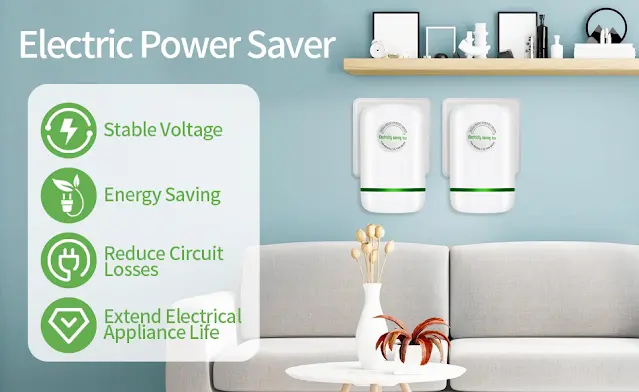
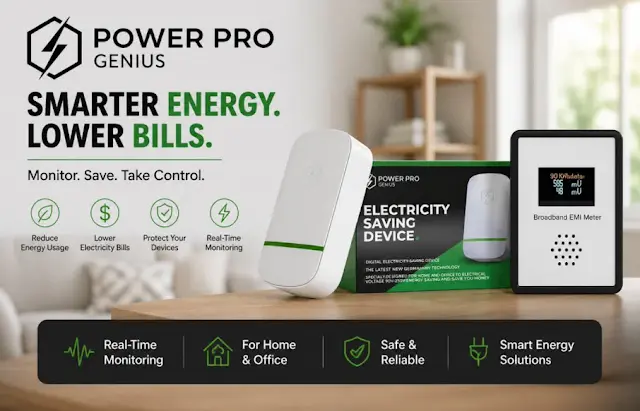
StopWatt is promoted as a residential power-conditioning device: a compact white box you plug into a wall outlet. According to its marketing, it stabilizes household voltage, filters so-called “dirty electricity,” and helps your home use power more efficiently. A recent company press release announced expanded direct-to-consumer availability of the device.
Devices in this category generally contain one or more capacitors and an indicator LED. Capacitors can perform power-factor correction, which matters a lot for factories running big motors — and very little for a typical home, where the utility meter bills you for the real energy your appliances consume.
- Product type
- Plug-in residential power conditioner
- How it’s sold
- Direct to consumer, online
- Installation
- Plugs into a standard wall outlet
- Power needed
- None beyond the outlet it occupies
Fact check
Claims vs. reality
We took each promise from StopWatt-style advertising and compared it with how home electrical systems and utility billing actually work.
Stabilizes voltage
Partly trueThe ad says
“The device smooths out voltage swings and spikes in your home wiring.”
What we found
A small capacitor can absorb tiny, fast fluctuations near the outlet it’s plugged into. It cannot regulate the voltage your utility delivers, and it is not a substitute for a rated surge protector.
Saves energy and lowers bills
UnlikelyThe ad says
“Cleaner, more efficient power means you pay for less electricity each month.”
What we found
Homes are billed for real power in kilowatt-hours. Correcting power factor at one outlet barely changes the kWh your appliances consume, so measurable bill savings are unlikely for most households.
Reduces circuit losses
Partly trueThe ad says
“Less wasted current flowing through your wiring.”
What we found
Power-factor correction can slightly reduce current in the wiring between the device and large motor loads. In a typical home those losses are a fraction of a percent of total use.
Extends appliance life
UnlikelyThe ad says
“Protecting electronics from "dirty" power helps them last longer.”
What we found
There’s no published, independent testing showing longer appliance lifespans from plug-in savers. Proper surge protection and ventilation do far more.
Simple plug-and-play setup
Holds upThe ad says
“No electrician, no tools, no app required.”
What we found
True. It plugs into any standard outlet and a status light comes on. This is the most consistently verified claim.
Buyer feedback
What customers are saying
We read through publicly posted buyer feedback for StopWatt and look-alike plug-in power savers. These are the themes that came up again and again.
What buyers like
Effortless to install
Nearly every buyer agrees setup takes seconds: plug it in, see the light, done.
Felt like the bill went down
Some buyers report a lower bill in the month after plugging it in, often during a mild-weather month when heating or cooling use also dropped.
Compact and unobtrusive
The small white housing blends in and doesn’t block the second outlet on most wall plates.
What buyers dislike
No measurable change on the meter
Buyers who compared kWh readings before and after, or used a plug-in energy monitor, commonly report no difference.
Hard-to-verify marketing
Reviewers point to big savings figures in ads with no named lab, test method, or independent certification behind them.
Return and refund friction
A recurring complaint is that refund windows run out before a full billing cycle can show whether it worked.
Themes are summarized and paraphrased from public reviews; they are not individual verified testimonials.
Do it yourself
How to test StopWatt at home
Don’t rely on one bill — weather and rate changes can swing it either way. A simple two-week meter log tells you far more.
- 1
Get a baseline
Photograph your electric meter at the same time each day for 7–14 days without the device plugged in.
- 2
Plug it in
Install the device and repeat the same readings for the same number of days, with similar weather and routines.
- 3
Compare kWh, not dollars
Rates and billing periods change. Average daily kWh is the only fair comparison.
- 4
Decide before the refund window closes
Note the seller’s return deadline on day one so you can act on your results.
Upgrades with proven savings
Typical ranges based on U.S. Department of Energy consumer guidance; results vary by home.
Bottom line
Our verdict
out of 5
Easy to use and inexpensive to try, but the headline energy-saving claims aren’t backed by independent testing and don’t square with how homes are billed. If you buy one, measure your kWh and keep an eye on the return window.
Pros
- Genuinely plug-and-play
- Small, quiet, and unobtrusive
- Can be tested at home with a simple meter log
Cons
- No independent lab data for savings claims
- Physics suggests minimal effect on kWh billing
- Not a replacement for a real surge protector
Questions